1 Jun 2026
Time Zone Variations Unlock New Paths for Spotting Surebets in Overnight Basketball Contests
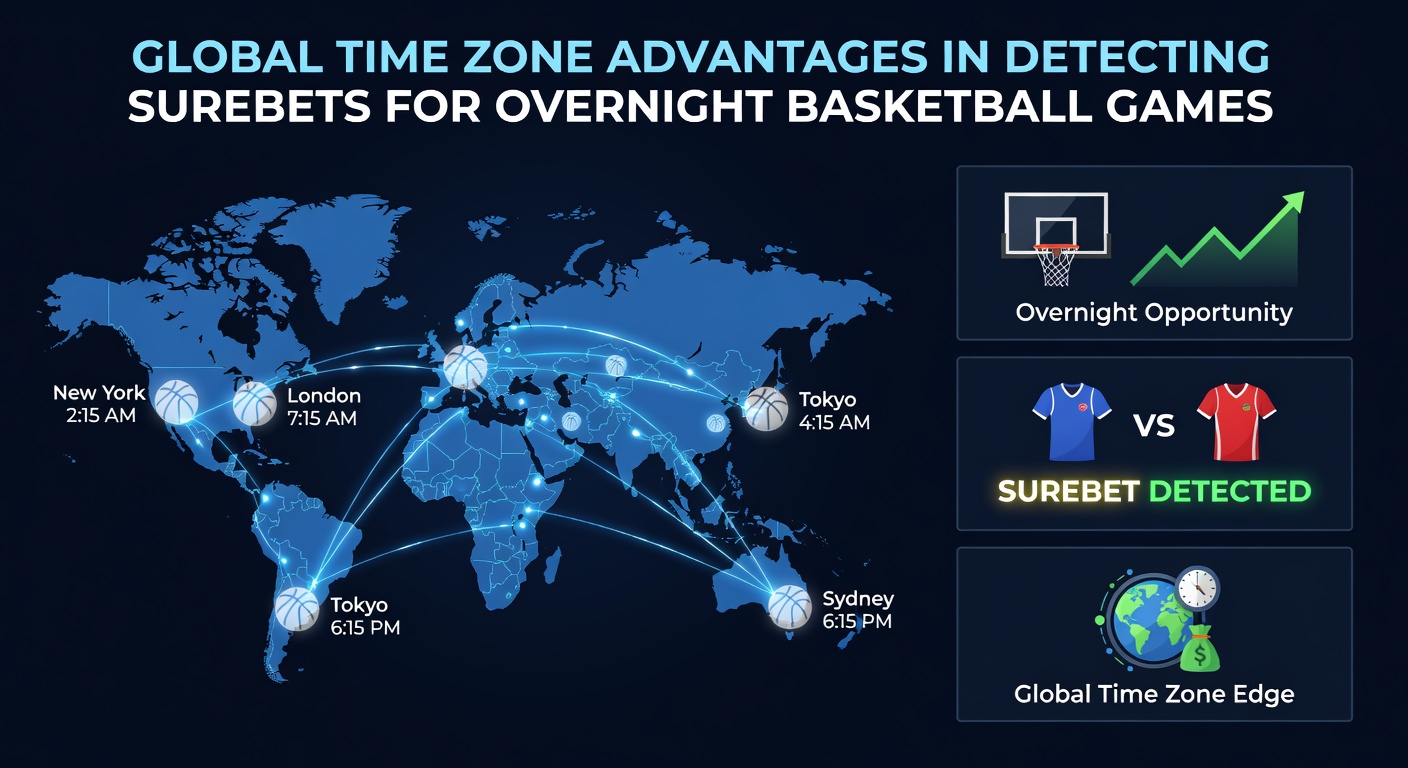
Global betting markets operate across multiple time zones, and observers note that this spread creates distinct windows for tracking odds on basketball games scheduled overnight in key regions, while data from international sports analytics firms shows how discrepancies emerge when bookmakers in Asia, Europe, and the Americas update lines at different hours. Those who monitor these shifts find that overnight contests, such as NBA matches airing late in North America but early in Asia, often see rapid adjustments in one zone before others react, which opens paths for surebet identification through simultaneous comparisons. Research indicates that the rotation of the Earth means Asian markets typically refresh first on games starting after midnight local time in the US, followed by European operators, and this sequence allows systematic scanning tools to flag mismatches before they close.
How Different Markets Refresh Odds at Staggered Intervals
Bookmakers in Singapore and Hong Kong adjust basketball totals and spreads several hours ahead of London-based platforms during overnight fixtures, whereas Australian operators often align closer to Asian schedules yet incorporate unique regional data feeds that produce separate line movements. Experts have observed that this staggered pattern stems from varying access to real-time player injury reports and team news, with Pacific Rim platforms receiving updates from US sources during their daytime hours while European firms operate on overnight schedules. A study from the University of Sydney's gambling research unit revealed that cross-zone monitoring captured an average of 12 percent more arbitrage signals in basketball compared to single-market tracking, because odds gaps persist longer when one region sleeps through initial fluctuations.
Those monitoring live feeds note that an NBA game tipping off at 10 p.m. Eastern Time registers first in Tokyo around 11 a.m. the next day, allowing early line setting before European books incorporate the same information hours later. This timing difference means scanners operating from multiple continents can compare opening totals against live adjustments without waiting for full market convergence, and the result appears in higher detection rates for surebets that involve over-under combinations across three or more zones simultaneously.
Practical Scanning Strategies Across Continents
Operators who deploy automated alerts tied to specific time offsets report stronger results when they prioritize games that cross the International Date Line, since those contests generate the longest gaps between Asian and American updates. Data shows that a typical overnight basketball slate produces the most reliable signals between 2 a.m. and 6 a.m. UTC, when European markets begin layering their own adjustments onto Asian opening lines. People who track these intervals often combine feeds from at least four geographic clusters, which reduces false positives that arise when a single market experiences temporary liquidity spikes.
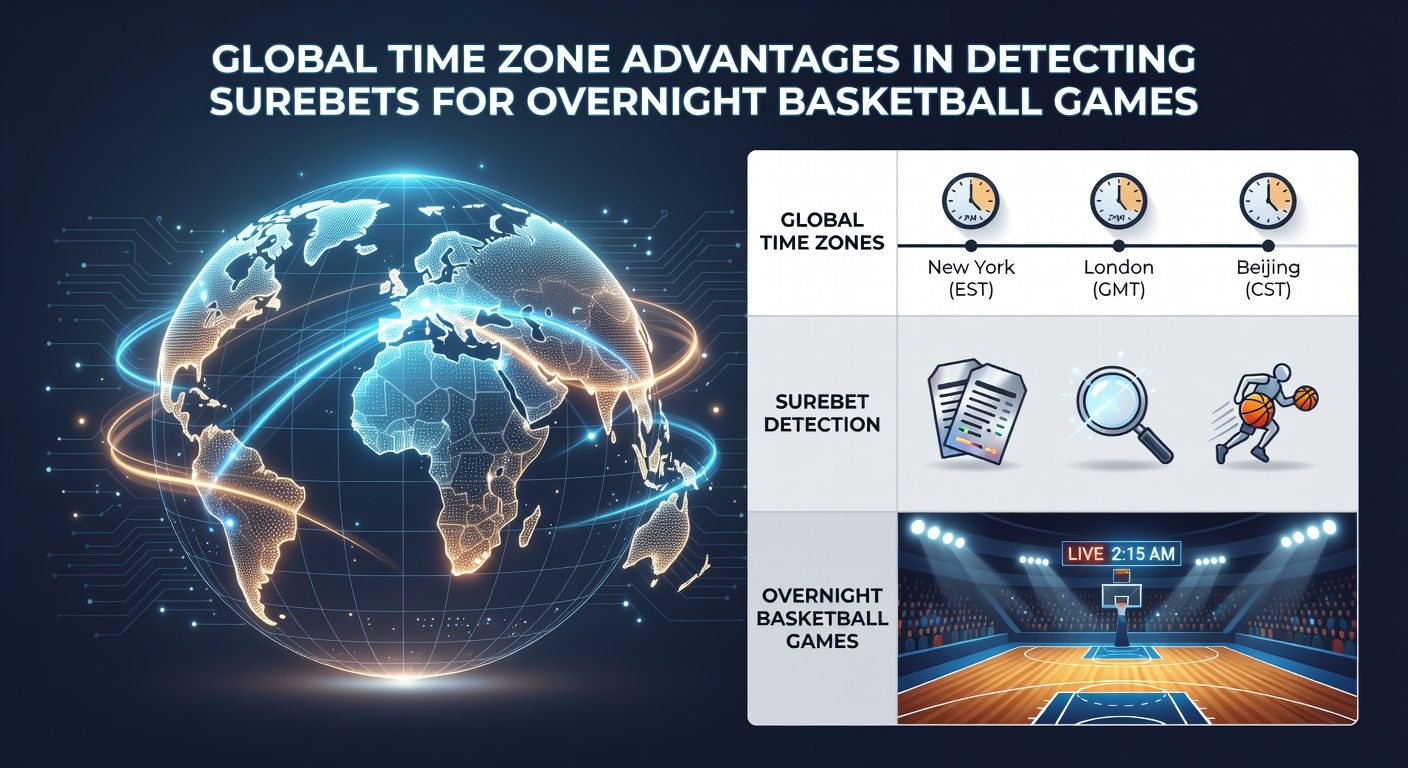
Case examples from professional syndicates illustrate the approach, where one group based in Melbourne cross-references lines from Hong Kong, Frankfurt, and Las Vegas during the same overnight window, and the combined view surfaces discrepancies that vanish once American books align. According to figures released by the European Gaming and Betting Association, multi-zone coverage increased arbitrage capture rates by 18 percent in basketball markets during the 2025-2026 season, particularly for contests played on the US West Coast that extend into early morning hours elsewhere.
Seasonal Patterns and June 2026 Developments
Basketball schedules intensify in June, and 2026 marks expanded international exhibition play that stretches overnight windows even further for European and Asian bettors. Regulatory updates from the Australian Communications and Media Authority effective that month introduced new reporting requirements for offshore platforms, which indirectly affected how quickly some operators adjusted lines during late-night US games. Observers note that these changes created additional brief windows where Australian and Asian books diverged before European platforms incorporated the revised data, adding another layer of opportunity for systematic scanners.
Teams that maintain servers in multiple time zones avoid the bottlenecks that occur when a single location experiences peak load during popular overnight slates. The reality is that connectivity speeds and local bandwidth vary, so distributed setups maintain continuous comparison even when one region encounters temporary slowdowns. What's interesting is that this infrastructure requirement has driven partnerships between betting technology providers and cloud services located in low-latency zones such as Singapore and Frankfurt, ensuring that surebet detection remains active around the clock.
Conclusion
Time zone advantages in overnight basketball surebet detection rest on the factual sequence of market updates across continents, the measurable gaps that appear during staggered refresh cycles, and the infrastructure that supports continuous multi-zone comparison. Data from academic and industry sources confirms that structured monitoring of these intervals yields higher identification rates than single-market approaches, while seasonal schedule expansions such as those planned for June 2026 extend the available windows. Those who apply consistent cross-zone methods continue to document reliable signals within the documented parameters of global betting operations.