29 Jun 2026
Handball Momentum Mapping: Custom Scripts Aligning Live Odds Across European Betting Markets
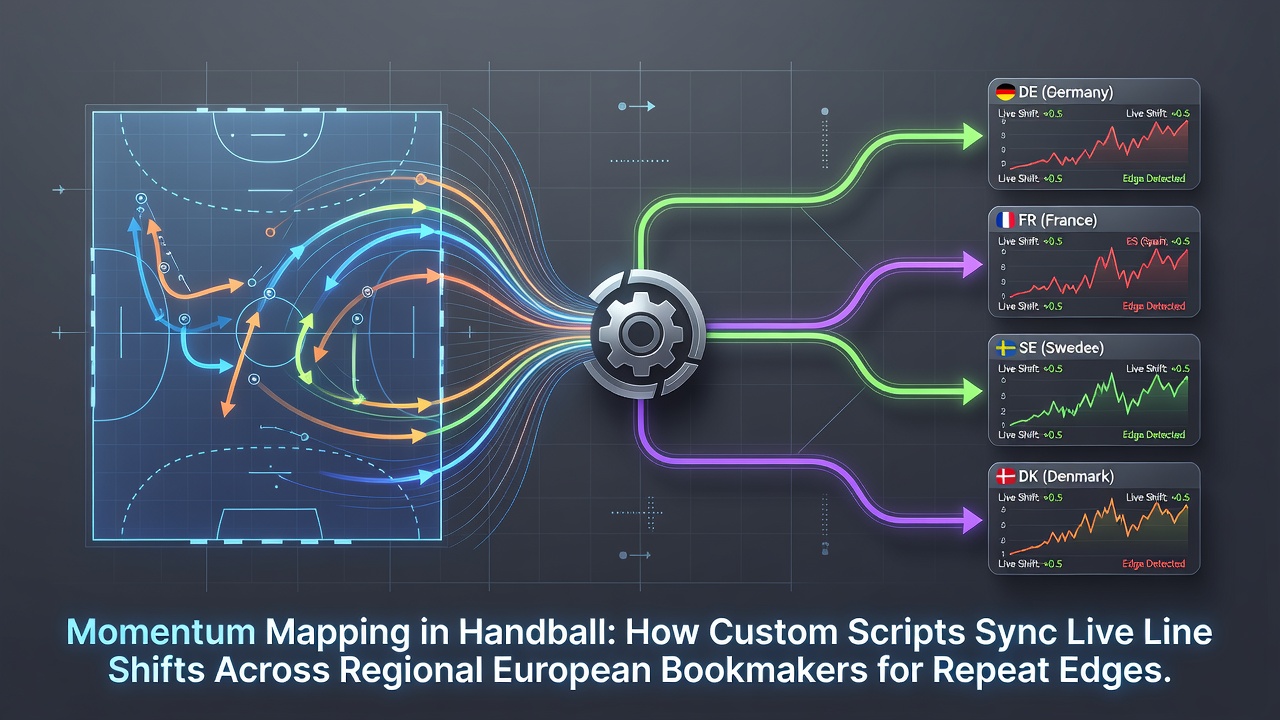
Handball betting markets respond quickly to in-game developments, and momentum mapping tracks those responses through continuous monitoring of line movements. Regional European bookmakers adjust odds at different speeds during matches, which creates opportunities for scripts that pull data from multiple platforms simultaneously. Observers note that these tools focus on identifying consistent patterns where one bookmaker lags behind others when goals, exclusions, or defensive shifts occur.
Scripts operate by pulling real-time feeds from bookmakers in Germany, Spain, and Scandinavia, then cross-referencing the data against a central momentum model. The model assigns numerical values to events such as fast breaks, goalkeeper saves, and seven-meter throws, while it also factors in remaining match time and current score differential. When a script detects a discrepancy exceeding a preset threshold, it flags the line for review or automated action.
Live Line Shifts and Regional Variations
European bookmakers operate under different regulatory frameworks, which influences how rapidly they update handball lines. Data from industry reports shows that operators in Central Europe often adjust totals within seconds of a goal, whereas some Nordic platforms require additional verification steps that introduce brief delays. These timing differences become pronounced during high-scoring periods when multiple goals occur within a minute.
Researchers at several European universities have examined these variations using archived match data from the 2025 season. Their findings indicate that synchronization scripts reduce missed opportunities by capturing shifts that appear on one platform but not yet on others. The process relies on API connections and web-scraping modules that refresh every two to three seconds during active play.
Custom Script Architecture
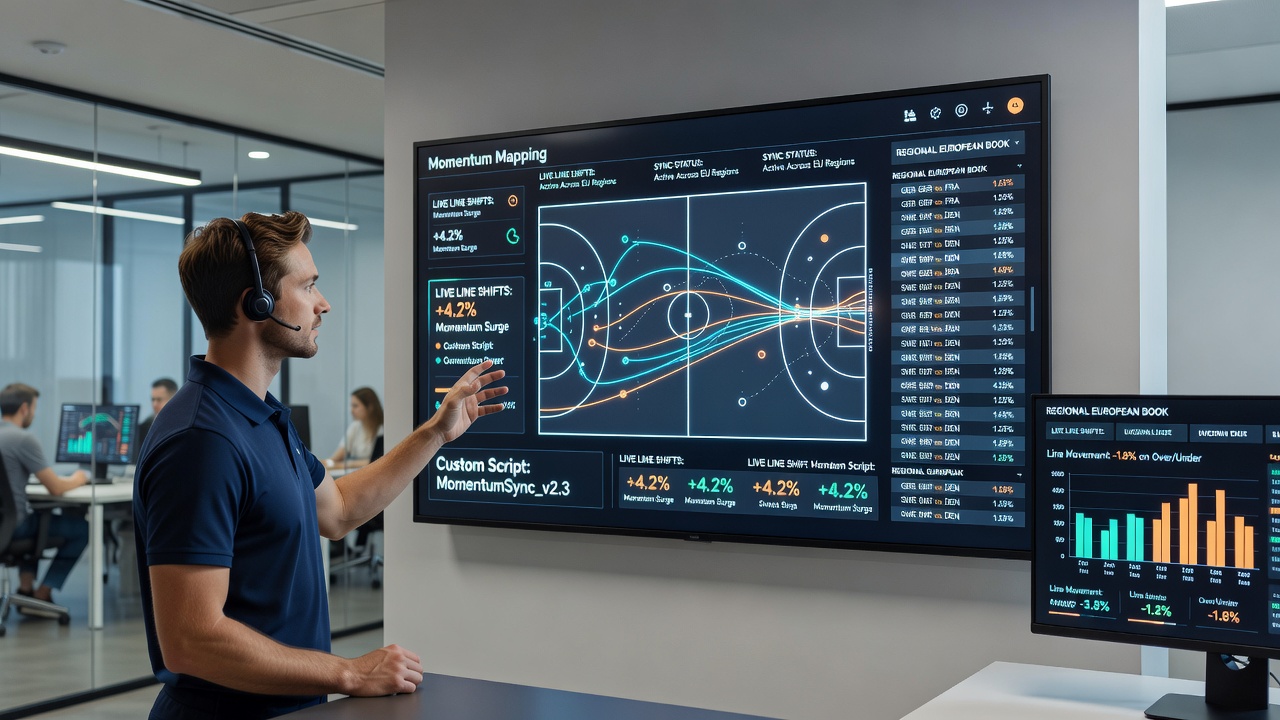
Developers build these scripts around modular components that handle data ingestion, momentum calculation, and alert generation. One module collects raw odds streams while another applies weighting factors based on historical handball statistics from leagues such as the German Bundesliga and Spanish Liga ASOBAL. A third module compares the processed values across bookmakers and logs any divergence that meets edge criteria.
Scripts also incorporate time-zone adjustments and currency conversions to maintain accuracy when comparing lines quoted in euros, kroner, or other regional currencies. During peak tournament periods, including events scheduled for June 2026, the volume of live handball matches increases, which places additional demand on server resources and requires scripts to prioritize high-liquidity games.
Repeat Edge Identification
Repeat edges emerge when scripts identify recurring discrepancies tied to specific momentum triggers. For example, a fast-break sequence that produces two consecutive goals often causes one bookmaker to widen the total-goals line faster than competitors. Those who monitor multiple markets can place offsetting positions before all platforms converge on the new price.
Industry analyses from organizations such as the European Gaming and Betting Association document similar patterns across other sports, yet handball presents unique challenges because matches feature frequent stoppages and rapid scoring bursts. Scripts that map these bursts against historical response times help users anticipate where the next lag will appear.
Integration with Broader Betting Tools
Momentum-mapping scripts frequently connect to existing arbitrage and value-bet platforms. The combined system receives input from handball-specific models and feeds output into position-sizing calculators that account for stake limits and margin requirements at each bookmaker. This integration allows operators to scale activity across several accounts without manual intervention during live matches.
According to a 2025 study published by researchers at the University of Sydney, automated synchronization tools improved detection rates for live discrepancies by approximately 18 percent compared with manual monitoring. The study examined data from multiple European leagues and noted that handball produced higher frequency of short-lived edges than lower-scoring sports because of its continuous action.
Regulatory Context in 2026
European regulatory bodies continue to refine rules around automated betting tools ahead of major events planned for June 2026. Some jurisdictions now require operators to disclose the use of algorithmic monitoring systems, while others focus on ensuring that scripts do not violate terms of service regarding data access methods. Market participants adapt by maintaining detailed logs of data sources and update frequencies to demonstrate compliance.
Those who operate in multiple regions report that maintaining separate script instances for each jurisdiction helps manage differing data-access rules. The approach also allows fine-tuning of momentum thresholds based on local betting volumes and liquidity levels observed during previous seasons.
Conclusion
Momentum mapping through custom scripts provides a structured method for tracking live line shifts in handball across regional European bookmakers. The combination of real-time data feeds, weighted event models, and cross-platform comparison enables identification of repeat edges that arise from timing differences. As tournaments approach in 2026, continued refinement of these tools aligns with evolving regulatory expectations while preserving the core function of synchronizing odds movements for consistent market monitoring.