Evoke's William Hill Shake-Up: 200 Betting Shops Set for Closure Amid Surging Costs and Tax Pressures from 2026 Onward
7 Apr 2026
Evoke's William Hill Shake-Up: 200 Betting Shops Set for Closure Amid Surging Costs and Tax Pressures from 2026 Onward

British betting operator Evoke, the parent company behind the iconic William Hill brand, just dropped news that's rippling through the high street gambling scene; starting in May 2026, the firm plans to shutter around 200 of its UK betting shops, a move tied directly to mounting operational costs and fresh tax hikes baked into the government's autumn budget from the year before. Bloomberg News first flagged the scale of these closures, highlighting how they fit into wider pressures on the sector, while Evoke itself points to a strategic pivot toward bolstering its prime retail spots. And while the shop doors start closing next spring, those tax changes—set to ramp up from April 2026—already cast a long shadow over the industry's bottom line.
The Company at the Heart of the High Street
Evoke plc oversees a sprawling portfolio that includes William Hill's extensive network of physical betting outlets, a staple on UK streets since the brand's founding way back in 1934; today, that legacy means thousands of shops nationwide, drawing punters for everything from horse racing slips to live sports action. Those who've tracked the firm's trajectory note how Evoke scooped up William Hill in a blockbuster deal back in 2022, blending it with its 888 brand to create a powerhouse blending online and bricks-and-mortar operations. But here's the thing: even as digital betting surges—pulling in younger crowds glued to apps—the traditional shop remains a cash cow for in-person bets, especially among older regulars who prefer the buzz of a crowded tote board.
Figures from recent industry tallies show William Hill alone commands over 2,300 UK locations, making it one of the high street's heavy hitters; yet profitability per shop has squeezed under rising rents, staffing demands, adn now those budget-driven levies that target gambling firms' gross profits. Evoke's leadership, in announcing the cuts, emphasized streamlining toward "core retail estate in optimal locations," which translates to axing underperformers in quieter spots while doubling down on high-footfall areas like city centers buzzing with match-day crowds.
Details of the Closure Plan Unfold
The blueprint calls for those 200-plus shutdowns to kick off in May 2026, roughly a month after the new tax regime locks in during April; Bloomberg's reporting pegs the number precisely at about 200 stores, though Evoke hasn't broken down exact sites yet, leaving local communities from Manchester to Glasgow holding their breath for the list. Observers who've seen similar waves—like the 780 shops industry-wide that vanished between 2019 and 2023—know these moves often cluster in secondary high streets where foot traffic dips, sparing flagships in prime zones. And with each closure potentially trimming 4 to 6 jobs per site, the math hints at over 1,000 positions in play, although retraining schemes or redeployments to surviving outlets could soften that blow.
What's interesting here surfaces in the timing: Evoke's push aligns with a post-budget landscape where gambling duties jumped, specifically the machine games duty and general betting duty rates climbing to extract more from operators' revenues; data from the Reuters coverage of Bloomberg's scoop underscores how such fiscal squeezes force hard choices, echoing patterns across retail-heavy sectors like pubs and arcades facing their own VAT and energy crunches.
Cost Pressures and Tax Hikes Fuel the Fire
Rising costs hit from all angles—energy bills that spiked post-global disruptions, wages climbing with the national living standard, and maintenance on aging shopfronts that haven't seen a facelift since pre-pandemic days; layer on the autumn budget's tax tweaks, which bumped rates on fixed-odds betting terminals (FOBTs) and remote gaming, and suddenly margins evaporate faster than a losing streak. Studies from the European Gaming and Betting Association's analysis reveal how such hikes—projected to siphon an extra £1 billion annually from the sector—prompt consolidation, with firms like Evoke rationalizing footprints to chase efficiency. Turns out, shops generating under £100,000 yearly often tip into the red under these loads, making closure not just viable but essential for survival.
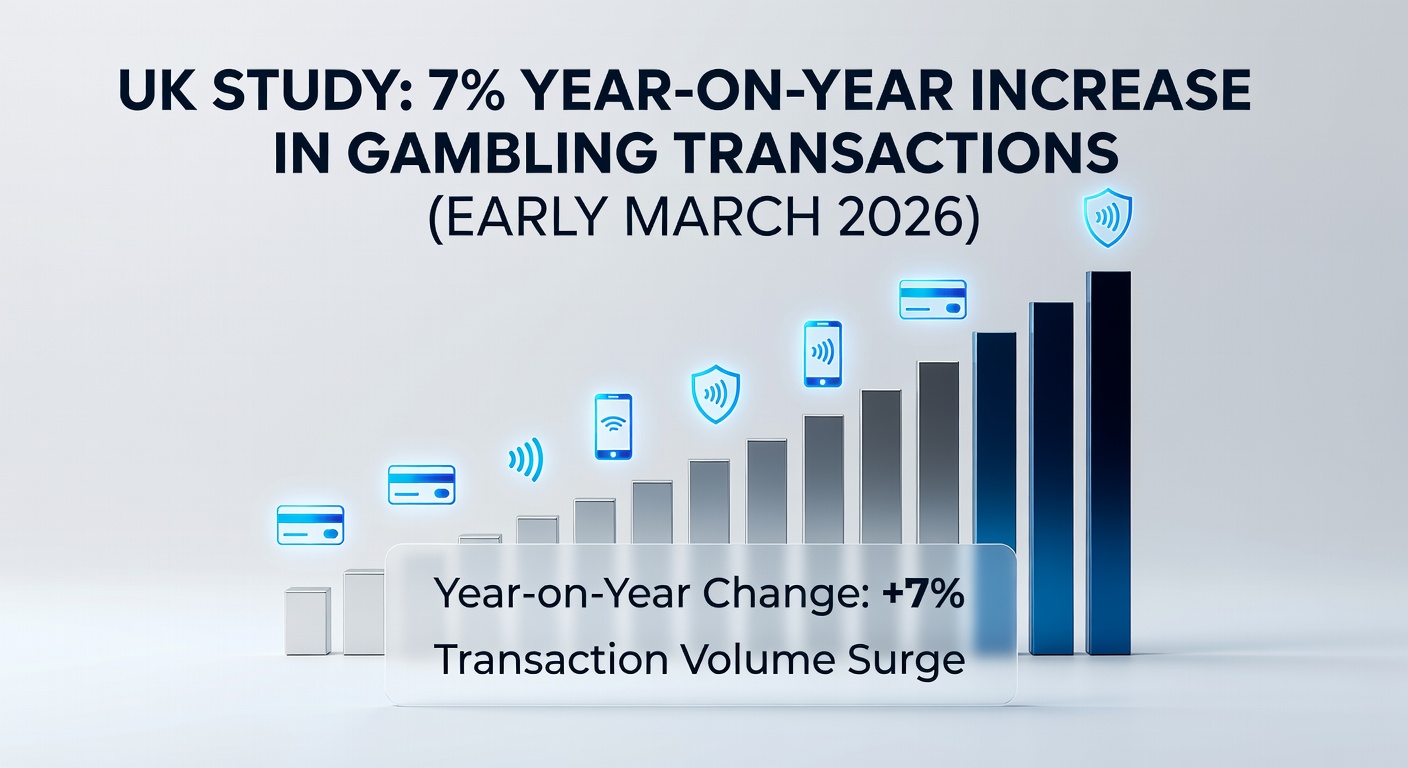
Yet the government's moves stem from broader aims to curb problem gambling while recouping public coffers; evidence from prior reforms—like the 2019 FOBT stake cap slashing max bets from £100 to £2—already trimmed shop revenues by 20-30% in affected venues, per operator filings, setting the stage for today's rationalizations. People in the trade often point out that while online arms thrive—Evoke's digital segment boomed 15% last fiscal year—the physical estate lags, prompting this cull to redirect funds toward tech upgrades and expansion in thriving locales.
Job Impacts and Local Ripples
Each shuttered shop doesn't just dim neon lights; it pulls threads from community fabrics, where bookies double as social hubs for retirees swapping racing tips over tea; with 200 sites in the crosshairs, unions like Unite have flagged risks to 800-1,200 frontline roles, although Evoke signals consultations starting soon to explore redeployments. Take one case from earlier waves: when Ladbrokes culled 100 shops in 2024, over 60% of staff shifted internally, a precedent that could play out here amid April 2026's looming changes. And while high streets lose a fixture, surviving spots gear up with self-service kiosks, cutting labor needs by 25% according to deployment data from peers.
Strategic Shift Toward Optimal Retail
Evoke's play isn't retreat but refocus: those "optimal locations" mean pouring investment into high-traffic jewels, perhaps kitting them with hybrid online-offline tech for seamless betting; the reality is, post-closure, the trimmed estate—down maybe 10% overall—stands to boost per-shop yields, mirroring Entain's model where selective pruning lifted estate profitability 12% in recent quarters. Now, as May 2026 nears, suppliers from tote providers to signage firms brace for the dip, while landlords eye repurposing vacant units for coffee chains or vape shops—the usual suspects in betting voids.
But here's where it gets interesting: this aligns with a sector trend where physical shops evolve into experiential hubs, hosting live screenings and fan zones to lure back footfall eroded by apps; data indicates hybrid models retain 40% more loyalty among in-person punters, giving Evoke's survivors an edge as taxes bite harder from April onward.
Broader Sector Echoes Without the Overlap
Those who've studied betting's high street saga observe how Evoke's step echoes isolated pressures—no grand industry apocalypse, just targeted trims amid fiscal headwinds; the ball's in their court now to execute smoothly, with investor eyes on quarterly updates tracking the transition. It's noteworthy that while closures loom, Evoke's online fortress—William Hill's app and site—churns steady growth, insulating the group as physical ops adapt.
Conclusion
Evoke's announcement of 200 William Hill shop closures from May 2026 crystallizes the clash between tradition and economics, driven by cost surges and tax escalations rooted in last autumn's budget; by honing in on prime sites, the firm charts a path through the squeeze, even as April's duty hikes sharpen the stakes. Observers expect ripple effects on jobs and locales, yet strategic pivots offer glimmers of resilience in a changing landscape—where high streets evolve, and betting's future balances screens with surviving counters. The writing's on the wall for underperformers, but for the core estate, reinvestment signals endurance amid the churn.