29 Jul 2026
Algorithmic Tracking of Ephemeral Pricing Variations Across Worldwide Events
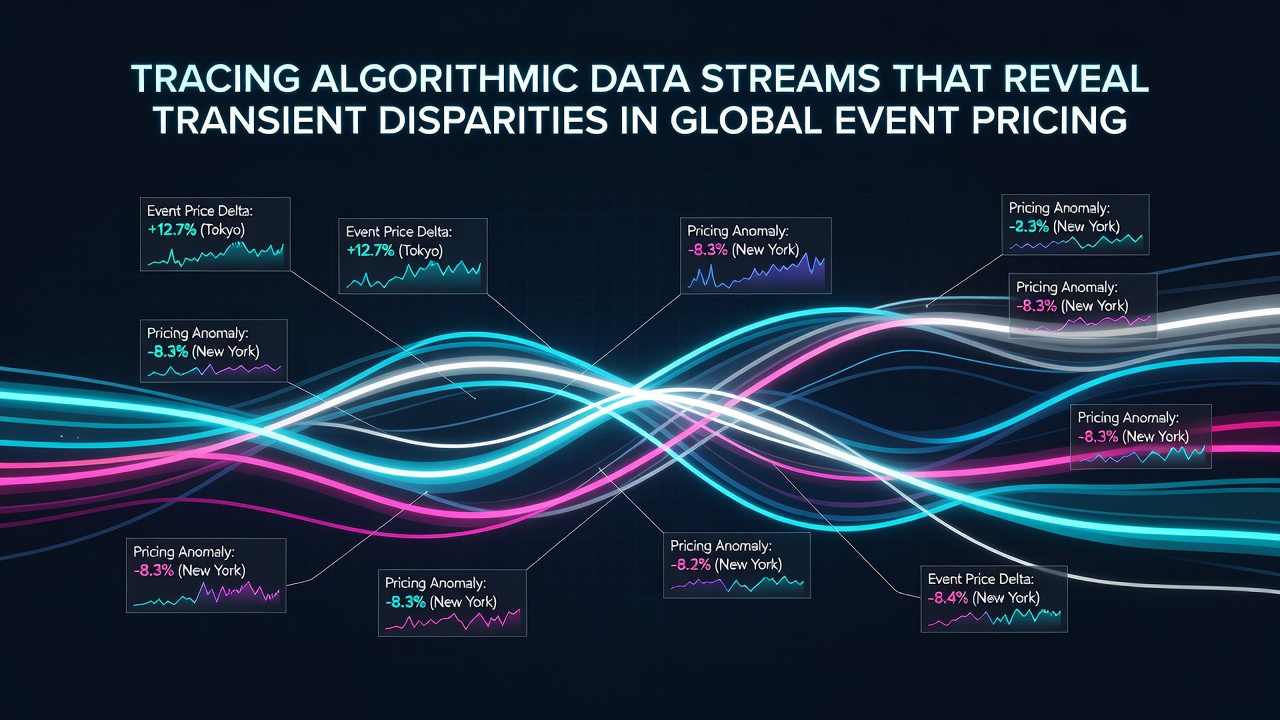
Researchers have developed systems that follow continuous data flows from multiple pricing engines around the world, and these systems identify brief inconsistencies in how events such as sports matches, concerts, and conferences are valued across different platforms. Data streams arrive in real time from exchanges, ticket vendors, and betting operators, while algorithms compare the incoming figures against historical baselines adn current liquidity levels, and the process flags moments when the same outcome carries unequal prices for only seconds or minutes before markets realign.
Data Sources and Collection Methods
Global event pricing draws from thousands of endpoints that include major sports leagues in North America, European football federations, and Asian entertainment promoters, and collection occurs through application programming interfaces that push updates several times per second. Observers note that volume spikes occur during high-attendance periods, for instance around July 2026 when multiple international tournaments overlapped with music festivals across three continents, and the resulting data volume reached peaks of several million price points per hour according to reports from the OECD digital markets analysis. Algorithms normalize these feeds by converting currencies, adjusting for fees, and applying time-stamp synchronization so that only genuine disparities remain visible rather than artifacts from latency or formatting differences.
Detection of Transient Disparities
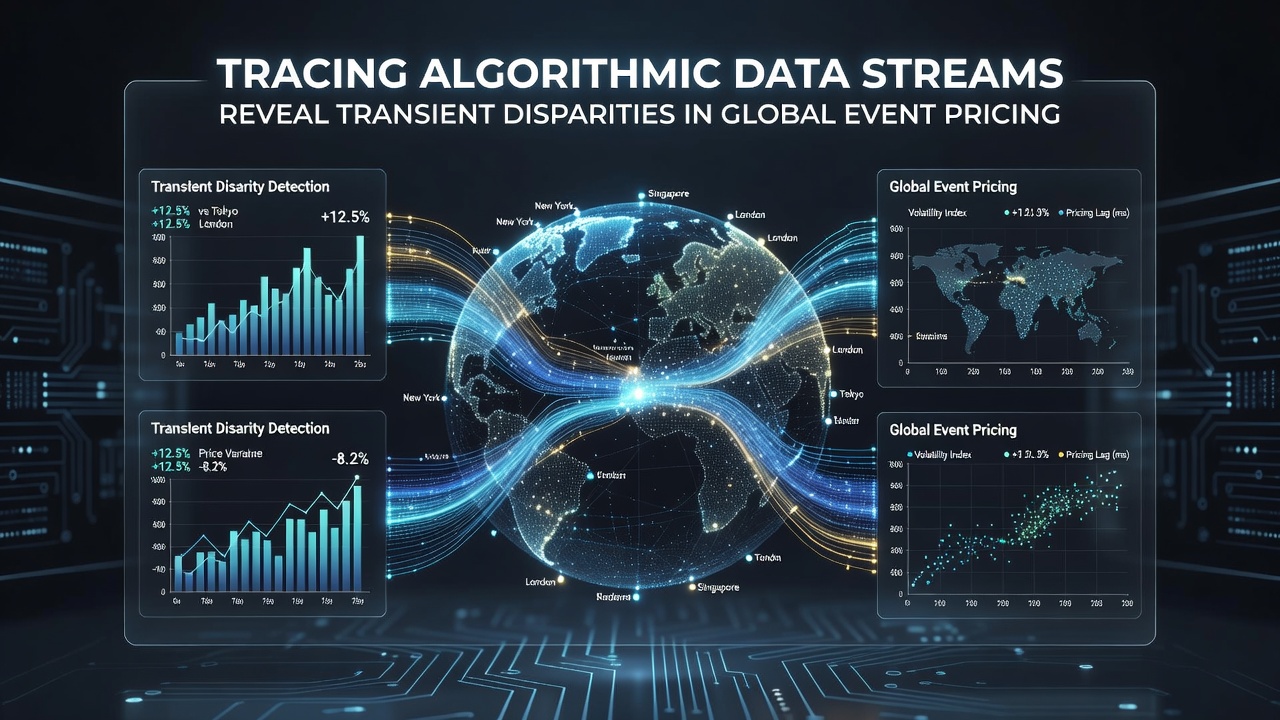
Once normalized, the streams enter comparison engines that calculate percentage gaps between equivalent outcomes, and any gap exceeding a configurable threshold triggers an alert while the window for action stays open. Studies from the University of Toronto’s computational finance group show that most detected inconsistencies last between 800 milliseconds and 12 seconds in liquid markets, after which automated market makers or human traders adjust quotes and close the gap. The same research indicates that July 2026 saw a measurable rise in cross-border ticket pricing mismatches during overlapping events, with average disparity sizes reaching 2.8 percent before correction occurred. Engineers refine detection by incorporating machine-learning models trained on past corrections, and these models predict which gaps are likely to persist long enough for execution while discarding noise caused by random order flow.
Technical Architecture and Processing Speed
Modern implementations rely on distributed stream-processing frameworks such as Apache Kafka combined with custom in-memory databases that retain only the most recent price states, and this architecture allows sub-second queries across millions of event combinations. Latency budgets allocate roughly 150 milliseconds for ingestion, 200 milliseconds for comparison, and another 300 milliseconds for alert generation, leaving the remainder of the short-lived window for downstream execution systems. Industry reports from the Canadian Gaming Association highlight that operators maintaining such pipelines reduced average response times by 40 percent between 2024 and 2026 through hardware upgrades and improved network routing. Parallel processing across geographically distributed servers further minimizes the impact of regional internet congestion, ensuring that a price update originating in Singapore reaches comparison logic in Frankfurt within the same overall budget.
Regulatory and Market Context
Authorities in several jurisdictions have begun examining how these rapid detection systems interact with existing market-integrity rules, and the Australian Competition and Consumer Commission published guidance in early 2026 that clarifies disclosure requirements for automated pricing tools used by ticket resellers. Similar discussions have taken place within the European Securities and Markets Authority regarding cross-border data flows that underpin event derivatives. Those frameworks emphasize transparency around latency advantages and data-source licensing rather than prohibiting the underlying technology, and compliance teams now maintain audit logs that record every detected disparity along with the timestamp and the eventual market correction. Such records help demonstrate that pricing engines operate within established boundaries while still allowing participants to respond to genuine information asymmetries.
Future Developments and Integration Trends
Integration with emerging real-time settlement networks is expected to shorten the entire cycle further, and pilot programs already link detected disparities directly to smart-contract execution layers that finalize trades without manual intervention. Academic teams at the National University of Singapore are testing models that incorporate satellite imagery and social-media sentiment to anticipate demand surges before they appear in pricing feeds, potentially extending the lead time for disparity identification. Observers expect continued refinement of these hybrid approaches through the remainder of 2026 and into subsequent years as more event organizers adopt standardized data protocols.
Conclusion
Tracing algorithmic data streams has become a standard method for surfacing short-lived pricing inconsistencies across global events, and the combination of high-frequency ingestion, normalized comparison, and predictive filtering allows participants to act within the brief windows that appear. Continued evolution in processing speed, regulatory clarity, and supplementary data sources will shape how these systems operate in coming periods, yet the core mechanism remains the same: continuous monitoring of live feeds to isolate genuine, actionable differences before markets converge.