8 Jun 2026
Algorithmic Monitors Uncover Fleeting Disparities in Competitive Gaming Odds Across Multiple Platforms
Understanding Volatility Windows in Esports Markets
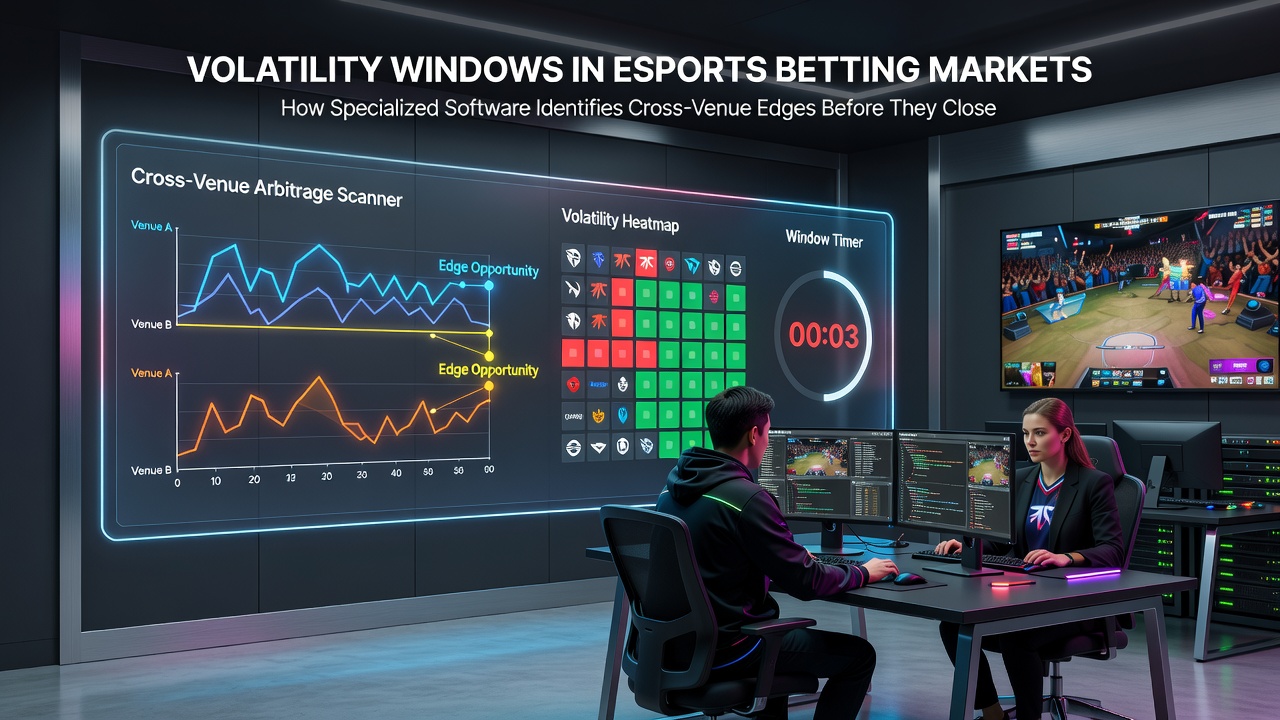
Esports betting markets operate on fast-moving odds that shift with in-game events, roster updates, and external factors such as patch changes or tournament formats, and volatility windows represent brief periods when price discrepancies appear between different betting platforms before operators adjust their lines. These intervals arise because bookmakers receive information feeds at varying speeds while bettors place wagers that move lines independently at each venue. Data from industry tracking services shows that such windows in titles like League of Legends and Counter-Strike often last between 90 seconds and four minutes during live matches. Observers note that the windows expand when major tournaments coincide with high trading volume across European and Asian exchanges simultaneously.
Mechanics of Specialized Detection Software
Specialized software scans multiple bookmaker APIs and websocket feeds in parallel, comparing implied probabilities derived from decimal odds while applying latency corrections to account for data transmission delays. The systems flag instances where one venue lists a team at 2.10 and another at 1.95 for the same outcome, then calculate whether transaction costs and stake limits allow a positive expected value before the discrepancy disappears. Researchers at the University of Las Vegas Center for Gaming Research have documented how these tools incorporate historical volatility models that predict window duration based on match phase, map selection, and recent odds movement velocity. Operators update their risk engines every few seconds, yet the software identifies edges by cross-referencing live score data streams with betting line histories stored in distributed databases.
Cross-Venue Edge Identification Process
Software platforms aggregate odds from dozens of regulated and offshore operators, then apply filters that exclude lines already moving rapidly or restricted by maximum stake caps. When a volatility window opens, the program highlights potential combinations such as backing one side at Venue A while laying the opposite at Venue B, provided the combined margin exceeds the bookmaker's built-in overround. In June 2026 several major esports circuits introduced new best-of-five formats that increased mid-match odds swings, creating additional windows that detection systems captured within milliseconds of the change. The algorithms also monitor correlated markets such as map winners and total rounds, allowing traders to construct multi-leg positions that close simultaneously across venues.
Real-Time Data Integration and Latency Management
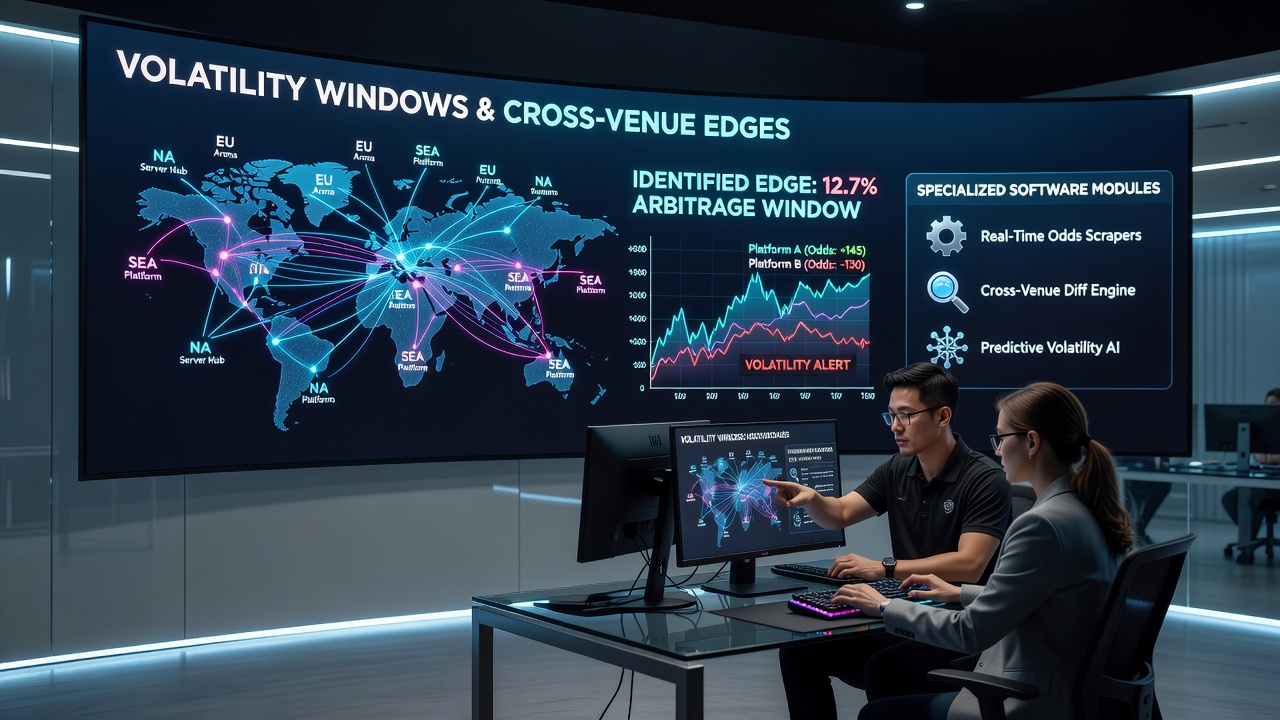
Effective detection requires integration with official game data providers that supply event timestamps accurate to the millisecond, enabling the software to distinguish genuine line discrepancies from simple feed delays. Systems maintain rolling buffers of recent odds snapshots so they can detect when one venue lags behind another by more than the typical propagation interval of 800 milliseconds. According to reports published by the Esports Integrity Commission, operators in regulated markets have shortened their internal reconciliation cycles to under three seconds, yet software still locates brief windows when volume spikes during championship finals. Those who operate these tools often configure custom alert thresholds that trigger only when projected profit exceeds a minimum percentage after accounting for withdrawal fees and currency conversion spreads.
Case Examples from Major Esports Titles
During a Valorant Champions match in early 2026, detection software identified a 12-second window where one platform offered 3.40 on an underdog map win while another listed 2.85 for the same outcome, allowing a balanced stake combination before both lines converged. In Dota 2 tournaments held across time zones, software routinely tracks odds from Australian and North American books that update on different schedules, producing windows when roster announcements break during off-peak hours in one region. Observers have recorded instances where a single software instance flagged 47 distinct windows across 12 matches in a single day, each lasting under 150 seconds yet yielding measurable returns after execution.
Closing Mechanisms and Market Efficiency
Betting venues close or adjust lines once volume reaches internal thresholds or when their own risk models detect arbitrage activity, and the software accounts for these patterns by monitoring order book depth and historical closure times for similar market states. Some platforms implement dynamic stake limits that tighten automatically when volatility metrics exceed preset bands, reducing the practical size of edges before manual intervention occurs. Data compiled by the Australian Communications and Media Authority indicates that esports wagering volumes rose sharply in the first half of 2026, correlating with shorter average window durations as more participants deployed automated scanners. The programs therefore prioritize speed of execution by routing confirmed opportunities directly to exchange APIs rather than requiring manual confirmation steps.
Conclusion
Specialized software continues to evolve alongside esports competition structures, incorporating machine learning components that refine window duration forecasts based on accumulating match data. These systems identify cross-venue edges by processing parallel data streams and applying latency adjustments, allowing participants to act within the brief intervals before lines align. As tournament calendars expand and new titles enter regulated markets, the underlying detection methods remain focused on measurable discrepancies rather than predictive modeling of game outcomes. The operational reality centers on execution speed and accurate accounting for fees, stake limits, and reconciliation differences across platforms.