11 Jul 2026
Advanced Software Solutions for Identifying Badminton Tournament Betting Discrepancies

Badminton tournaments generate frequent odds movements because matches unfold quickly and player performance can shift between sets, which creates opportunities for software to scan discrepancies across bookmakers. Integrated betting analysis platforms pull live data feeds from dozens of operators simultaneously, then apply algorithms that flag when the same outcome shows different implied probabilities at separate sites. Observers note that these gaps often appear during early rounds of events like the BWF World Tour or Olympic qualifiers, where lower-profile matches receive uneven attention from oddsmakers.
How Tournament Structures Influence Odds Variations
Badminton features best-of-three formats in most professional events, and momentum swings between games allow bookmakers to adjust lines rapidly. When one player wins the first set convincingly, some operators tighten the next-set odds faster than others, which leaves brief windows where combined selections produce positive expected value. Data from major tournaments indicates that set-break probabilities fluctuate more than in longer sports like tennis, because badminton rallies average under 10 seconds and fatigue factors emerge sooner. Software tools track these patterns by comparing historical set outcomes against current match statistics, then highlight instances where the market has not yet aligned.
Core Functions of Integrated Analysis Platforms
Modern platforms combine real-time odds aggregation with probability modeling that converts prices into percentages and searches for mismatches exceeding a user-defined threshold. Users set filters for specific tournaments, player rankings, and minimum gap sizes, after which the system alerts them to potential entries. The software also incorporates live scoring APIs so that in-play adjustments happen within seconds of each rally result. Researchers have observed that platforms handling badminton data streams achieve higher detection rates during multi-court events, because parallel matches create simultaneous data points that manual tracking cannot match.
Additional modules calculate stake distributions across selections to lock in returns when gaps qualify as arbitrage opportunities. These calculations factor in commission rates and currency conversions automatically, which reduces the time between identification and placement. In July 2026 several major badminton events coincided with software updates that added enhanced latency compensation for Asian bookmakers, resulting in more consistent capture of overnight odds movements.
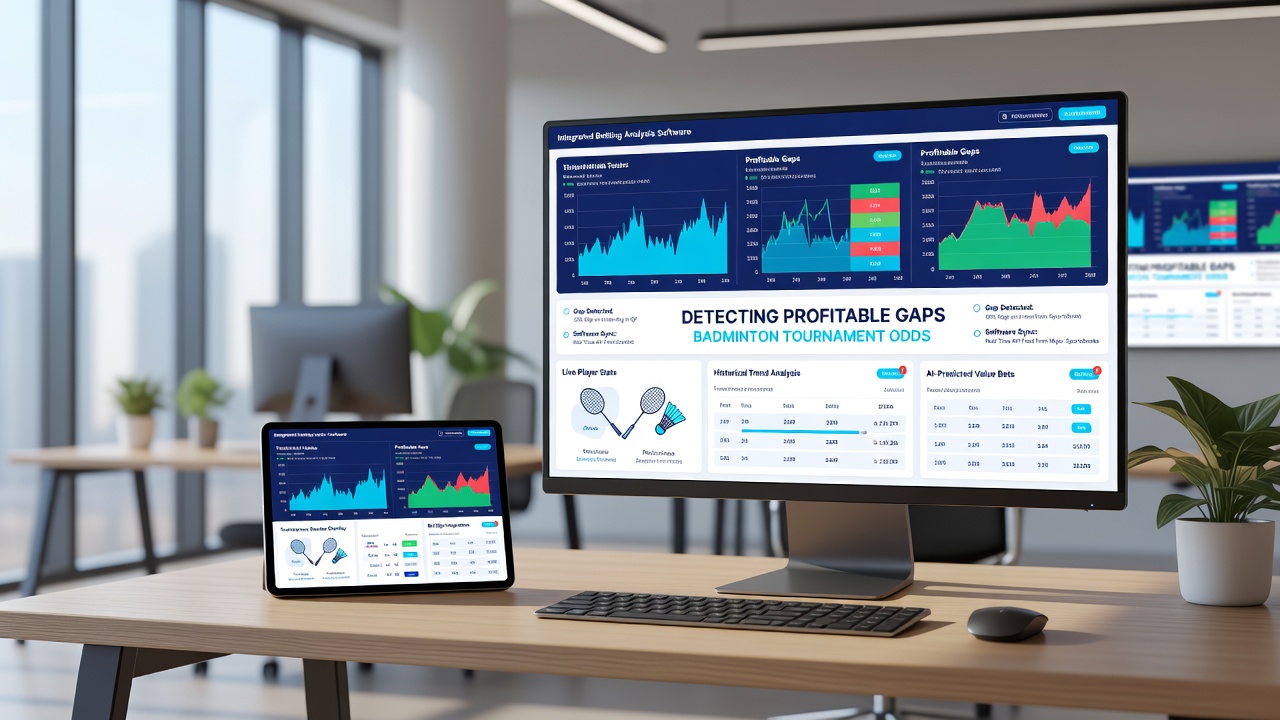
Practical Detection Workflow
Operators begin by loading a tournament schedule into the platform, which then monitors opening odds and subsequent adjustments. When two bookmakers differ by more than 3 percent on the same outcome, the system generates a notification that includes implied probabilities and required stake ratios. Analysts cross-reference player head-to-head records and recent form before committing capital, because not every statistical gap translates into a reliable edge. Those who have studied live badminton markets report that gaps appear most reliably in women's singles and mixed doubles, where point spreads can widen quickly after a single strong service game.
Data Sources and Validation Methods
Validation relies on archived match logs from the Badminton World Federation alongside bookmaker settlement records. According to figures from the Australian Gambling and Racing Commission, badminton-related betting volumes in regulated markets rose steadily through 2025, which encouraged more operators to maintain competitive lines and thereby increased the frequency of detectable gaps. Academic work from Canadian universities has examined similar discrepancies in racket sports, confirming that integrated scanners outperform manual methods by factors of five to eight during peak tournament hours.
Platforms also integrate weather and venue data because indoor hall conditions affect shuttle speed and player endurance. When humidity levels shift unexpectedly, some oddsmakers lag behind others in updating totals lines, which creates secondary opportunities alongside moneyline gaps. The software logs these environmental variables automatically and correlates them with historical performance deviations.
Regulatory Context and Platform Compliance
Jurisdictions outside the United Kingdom maintain separate reporting standards for betting technology. The Pennsylvania Gaming Control Board requires operators using analysis tools to maintain audit trails of all automated recommendations, ensuring that market integrity checks remain feasible. Compliance modules within the software export transaction histories in formats accepted by multiple regulators, which simplifies oversight for users operating across borders.
Conclusion
Integrated betting analysis software provides structured access to badminton tournament odds movements by continuously comparing prices, modeling probabilities, and alerting users to measurable discrepancies. Tournament schedules, player statistics, and live scoring data feed into these systems, which then apply consistent filters that reduce the time required to locate and evaluate potential entries. As events continue through 2026, the combination of faster data feeds and refined algorithms supports ongoing identification of gaps across different match formats and regions.